The Power of Routines
The Power of Routines explores how simple, familiar routines help young children feel secure, build independence, manage transitions, and develop confidence in their everyday lives.
EARLY CHILDHOOD
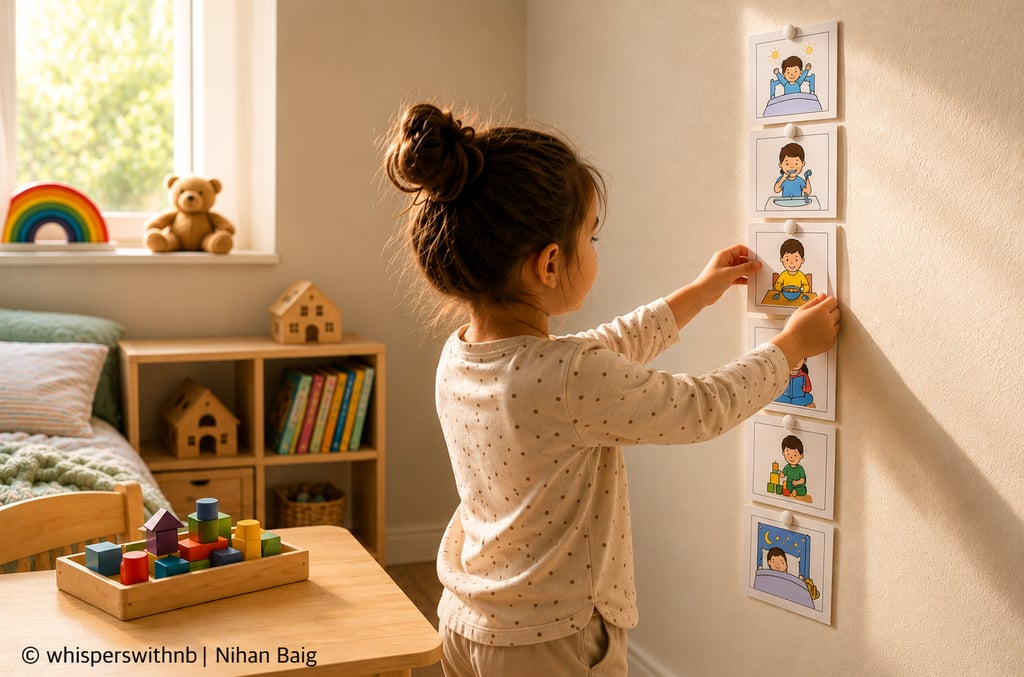
For young children, the world can feel wonderfully exciting, but also incredibly unpredictable. So much of their day is decided by adults where they go, what happens next, when it is time to leave, eat, play, or sleep. In the middle of all these experiences, routines offer something children deeply need: a sense of knowing what comes next.
A familiar morning routine, a song before tidying up, washing hands before lunch, or reading a story before bed may seem like simple parts of everyday life. Yet for a young child, these repeated moments create a sense of security. When children can anticipate what is about to happen, they often feel more confident and prepared to move from one part of their day to another.
This is one reason routines can be especially helpful during transitions. Moving from playtime to lunchtime may feel like a small change to an adult, but for a child deeply involved in building a tower or creating an imaginary world, stopping can be difficult. A familiar reminder, song, or simple phrase such as, "Five more minutes, then it is time to tidy up," gives children time to prepare themselves for what comes next.
Over time, routines also support independence. A child who follows the same steps each morning gradually begins to remember them without constant reminders. They may learn to put away their pyjamas, brush their teeth, choose their clothes, or pack their bag. What once required an adult's help can slowly become something they feel proud to manage on their own.
There is something wonderful about watching a child realise, I can do this myself. These everyday achievements may seem small, but they build confidence. Each time children complete a familiar task, they strengthen their sense of capability and responsibility. Routines give them opportunities to practise skills until those skills become part of everyday life.
Routines can also support children's emotional well-being. Knowing that a parent will return after school, that dinner happens around a familiar time, or that the day ends with a comforting bedtime ritual can help children feel secure. Even when other parts of life change, familiar patterns can offer reassurance and stability.
Of course, routines do not need to make childhood rigid or overly structured. Children still need spontaneity, exploration, messy play, unexpected adventures, and plenty of time to simply be children. A healthy routine creates a flexible rhythm rather than a strict timetable. It provides enough predictability for children to feel secure while leaving space for curiosity and fun.
There will also be days when routines simply do not go according to plan. Someone wakes up late, an outing takes longer than expected, or bedtime somehow turns into one more story and another glass of water. That is part of family life. Children do not need every day to run perfectly. What matters is having familiar patterns they can return to.
Parents and educators sometimes feel pressure to create elaborate schedules filled with activities. Yet some of the most meaningful routines are incredibly simple. Greeting a child warmly each morning, sitting together for a meal, tidying toys before moving to the next activity, or sharing one thing you enjoyed about the day can become moments children look forward to.
These repeated experiences offer more than organisation. They create connection. A bedtime story is not only part of preparing for sleep; it can become a treasured moment between a child and someone they love. A morning goodbye ritual is not simply about leaving for school; it reassures a child that separation is temporary and that someone will be there when they return.
The power of routines is found in their simplicity. Day after day, they help children understand their world, develop independence, manage transitions, and feel secure in what comes next.
Childhood will always be filled with change as children grow, learn, and discover new things. Through it all, familiar routines can become steady points in their day, reminding them that even in a big and changing world, there are moments they can recognise, trust, and call their own.